

Size : ?cmW*cmH; Front Cap :?cmH; Window design on spine to show sample.
Why Choose Us?
Rich Experience
DCSAMPLE has focused on top quality sample book making for over 15 years in China. We started as a small operation, but now have become one of the leading suppliers in the sample book industry in China.
One-Stop Solution
We supply sample book products all over the globe to a wide range of companies worldwide, ranging from manufacturer to distributor, from wholesealer to Retailor, from Desinger to Studio.
Reliable Product Quality
We always feel that all success of our company is directly related to the quality of the products we offer. They meet the highest quality requirements as stipulated in ISO9001, ISO14000:14001 and our stringent quality control system.
Professional Service
We have customers from both domestic market and oversea market. All of Sales can speak fluent English for good communication.
What is Fabric Sample Book?
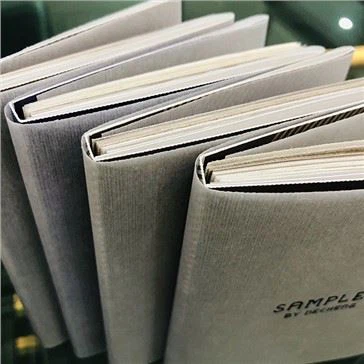
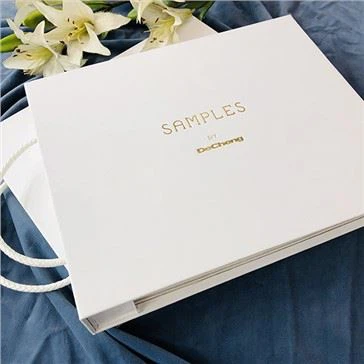
Swatch books for fabrics are collections of fabric samples that are organized in a book or binder format. They are used by designers, manufacturers, and consumers to select and compare different fabrics based on their colours, textures, patterns, and material compositions. Swatch books can be found in various industries, such as fashion, interior design, and upholstery.
-
![Luxury OEM Fabric Sample Book]() Add to Inquiry
Add to Inquiry -
![2024 New Design Removable Apparel Book]()
2024 New Design Removable Apparel Book
Add to Inquiry -
![2024 New Fashion Fabric Sample Book]()
2024 New Fashion Fabric Sample Book
Add to Inquiry -
![2024 New Design OEM Sample Book]()
2024 New Design OEM Sample Book
Add to Inquiry -
![2022 New OEM Fabric Swatch Card]()
2022 New OEM Fabric Swatch Card
Add to Inquiry -
![2021 New OEM Sample Book]() Add to Inquiry
Add to Inquiry -
![2021 New Customized Fabric Sample Book]()
2021 New Customized Fabric Sample Book
Add to Inquiry -
![2021 New OEM Diaplay Sample]() Add to Inquiry
Add to Inquiry -
![Acrylic Display Box]() Add to Inquiry
Add to Inquiry -
![Display Book Manufacturer]() Add to Inquiry
Add to Inquiry -
![Homelife Sample Book Manufacturer]()
Homelife Sample Book Manufacturer
Add to Inquiry -
![2020 OEM Suit Fabric Swatch Book Manufacturer]()
2020 OEM Suit Fabric Swatch Book Manufacturer
Add to Inquiry




Advantages of Fabric Sample Book
Visual and Tactile Experience
Swatch books provide clients with a hands-on experience, allowing them to see and feel the materials and finishes proposed for their project. This tangible interaction helps clients better understand the designer’s vision and ensures everyone is on the same page.
Reduced Miscommunication
By using swatch books, designers can eliminate the guesswork and potential misinterpretation that can occur when describing materials and colours verbally or through digital images. This ensures that clients have a clear understanding of the proposed design elements.
Streamlined Decision Making
Swatch books help clients make informed decisions about the materials and finishes they want to use in their projects. By comparing and contrasting different options, clients can confidently choose the best solution that aligns with their preferences and project goals.
Material Selection
Swatch books enable designers to work closely with manufacturers and suppliers to select the most suitable materials for a project. By having physical samples on hand, designers can evaluate the performance, durability, and aesthetics of various materials, ensuring the final product meets the desired specifications.
Quality Control
Swatch books serve as a valuable reference during the manufacturing process, helping to maintain consistency in the production of materials and finishes. Manufacturers can use the swatch book samples to ensure that the final product meets the designer’s vision and the client’s expectations.
Cost and Time Efficiency
Using swatch books, designers can quickly identify the materials and finishes that align with the project’s budget and timeline. This helps avoid costly mistakes and delays when working with unsuitable materials or trying to achieve a specific finish without a physical reference.
Types of Fabric Sample Book
Fashion Industry
Swatch Books Tailored to Clothing, Accessories, and Textile Design
Clothing
Swatch books for various fabric types, including cotton, silk, linen, and synthetic materials, showcasing different patterns, colours, and textures.
Accessories
Swatch books are dedicated to materials commonly used in accessories, such as leather, metal, and plastic, displaying various finishes and colours.
Textile Design
Swatch books featuring a wide range of textile designs, such as prints, embroidery, and embellishments, to inspire fashion designers and provide a tactile experience.
Interior Design
Swatch Books for Upholstery, Curtains, Wallpapers, and Home Decor
Upholstery
Swatch books offer a selection of upholstery fabrics, including velvets, chenilles, and jacquards, in various patterns and colours.
Curtains
Swatch books featuring an array of curtain fabrics, such as sheers, blackout materials, and printed designs, to suit different styles and preferences.
Wallpapers
Swatch books containing a variety of wallpaper samples, ranging from traditional patterns to modern designs and textures.
Home Decor
Swatch books showcasing materials and finishes used in home decor items, including wood, metal, glass, and ceramics.
Industrial Applications
Swatch Books for Automotive, Medical, and Technical Textiles
Automotive
Swatch books display a range of materials used in automotive interiors, such as seat fabrics, dashboard materials, and flooring options, as well as exterior paint colours and finishes.
Medical
Swatch books featuring textiles and materials used in medical applications, including antimicrobial fabrics, medical-grade plastics, and specialized coatings.
Technical Textiles
Swatch books containing samples of technical textiles, such as fire-resistant materials, high-performance fabrics, and advanced composites, used in various industries.
Application of Fabric Sample Book


Product Development and Design
Designers and product developers often refer to fabric sample books to select suitable materials for their creations. They can quickly browse through different types of fabrics, compare their characteristics, and make informed decisions based on the specific needs of their designs.
Merchandising and Sales
Fabric sample books are essential for sales representatives and merchandisers who need to showcase a wide range of fabrics to potential customers. These books allow them to present a comprehensive collection of fabrics, highlighting their unique features and benefits. This, in turn, helps customers make informed purchase decisions.
Education and Training
Fabric sample books are also used in educational settings, such as fashion design schools and textile technology courses. They provide students with a hands-on experience of different fabrics, enabling them to understand their properties and applications better.
Quality Control and Assurance
In manufacturing and production environments, fabric sample books can be used as reference points for quality control. By comparing actual fabric swatches with those in the book, manufacturers can ensure that the materials used meet the required standards and specifications.
Marketing and Promotion
Fabric sample books can also be used as marketing collateral, showcasing a company's range of fabrics and capabilities to potential clients and partners. They can be customized to reflect a brand's identity and style, making them effective promotional tools.
Step 1: Determine the Format
Before embarking on the swatch book creation process, decide on the format and size that best suits your needs. Common sizes are 5 x 5 inches or 6 x 6 inches,but feel free to choose dimensions that accommodate the number of swatches you plan to include and align with your personal preferences. Additionally, consider the portability and storage of your
Step 2: Gathering Inspiration: Nurturing Ideas for Your Swatch Book
The first step towards creating a captivating swatch book is finding inspiration. Dive into the depths of your creativity. Seek inspiration from nature, art, or even your personal experiences. Every color, texture and pattern can be a muse. Collect magazine clippings, fabric samples and color swatches that resonate with your vision.
Step 3: Touch of Perfection: Choosing Fabrics & Materials
A swatch book is as good as the materials it showcases. Choose a variety of fabrics that not only reflect your design style but also vary in texture, weight and color. Opt for high: -quality materials that withstand the test of time. Consider including not just fabrics but also trims, beads and other embellishments that add depth to your swatch book.
Step 4: Organizing Your Materials
Organization is key to a functional and visually appealing swatch book. Categorize your materials based on color, texture or theme. Arrange them in a 1ogical order that allows for easy reference. Consider incorporating dividers or labels to make navigation effortless, ensuring that every page tells a coherent story.
Step 5: Artistry Unleashed: Creating a Visually Stunning Layout
The layout of your swatch book is where your creativity truly shines. Experiment with different arrangements, from classic grids to innovative collages. Pay attention to spacing, ensuring each swatch has room to breathe. Include details like fabric names, composition and sourcing information. Utilize complementary colors and aesthetically pleasing fonts to enhance readability.
Step 6: Adding a Personal Touch into Your Swatch Book
A swatch book is not merely a catalog; it' s a reflection of your identity as a designer. Add a personal touch by incorporating sketches, mood boards, or even quotes that inspire you. Your swatch book should not only showcase your materials but also narrate your design journey, inviting others into your creative world.
Step 7: Create Index Pages
Dedicate a few initial pages of the swatch book as an index. Create a clear and organized list that pairs the fabric codes with their respective descriptions, including fabric type, color, composition, and other relevant details. This index will serve as a roadmap, facilitating quick and efficient navigation throughout your swatch book.
Step 8: Binding Your Swatch Book
The binding of your swatch book is its backbone. Choose a binding method that complements your design aesthetic. Options range from traditional stitching to spiral binding or even leather covers for a touch of elegance. Ensure the binding is secure,allowing your swatch book to wi thstand constant reference and admiration.
Why Do You Need Fabric Swatches and Why Are They Important?
The law of fabric: the more material you feel, the better your understanding of fabric and how you work with it. There are many reasons why you need a fabric swatch book. For example, a fabric swatch can help you see how different fabrics look together if you’re focusing on your product’s design. This can help you choose the perfect material when working on a new design. If you’re sewing up your new product, you may need a fabric swatch book to test different fabrics before using them in your next project. This can be helpful if you’re unsure of how a specific material will feel or look.
Essentially, the most common reasons why you should have a fabric swatch are:
For testing out different fabric combinations and pairings
To find out how a fabric will look like in person
To touch and feel the fabric and determine if its the right quality
To find the best match for your future project
To have a fabric swatch library for reference with ordering fabric
Features of Fabric Sample Book
Fabric Samples
Each swatch book contains multiple fabric samples, usually cut into small squares or rectangles, which showcase the available colors, patterns, and materials.


Organized Format
The fabric samples are typically organized by color, pattern, or material type, making it easy for users to browse and compare options.
Detailed Information
Swatch books often include detailed information about each fabric, such as its composition, weight, and care instructions. This helps users make informed decisions about their fabric choices.


Portability
Swatch books are designed to be portable and easy to carry, allowing users to bring them to meetings, showrooms, or other locations where they may need to reference fabric options.
Tactile Experience
Swatch books allow users to touch and feel the fabric, giving them a better understanding of its weight, texture, and durability. This hands-on experience is crucial for determining the suitability of a fabric for a specific project.


Colour Accuracy
Digital images can often be misleading due to differences in screen calibration and lighting conditions. Swatch books provide a more accurate representation of fabric colours, ensuring that users can make confident colour choices.
5 Important Things to Consider When You Look at a fabric sample book
You Can Save Money By Ordering An Example
Having a sample, whether it's free or at a small cost, will save you a fortune if you've chosen the wrong fabric for a particular project.
It Will Show How Heavy The Fabric Is
The sample will give you an idea of whether the fabric is right for the product you want to make, whether it drapes well for a dress or curtains, what it will look like as a cushion, tea towel, tablecloth, etc. This is particularly important if the fabric is unavailable in-store.
You Can Wash It To See If The Colour Runs
This is very important if you are choosing fabric made from natural fibres like cotton or linen including when you buy heavyweight linen fabric ordered on a qty request. For this type of test, you would need to order 2 samples for each type of favourites fabric, so that you could compare each sample before and after washing to ascertain stock qty and quality.
It Shows How Colour Changes In Different Circumstances
If you're a fashion designer creating daywear, for example, you need to have a good idea of what the fabric will look like in daylight. The same applies for evening wear and accessories. If you're creating a fashion collection you need to be able to mix and match the fabric sample books together to view what they look like in real life. After all, what you view on the computer screen is not what they look like on a sample that you put in the sun, view at dusk, in a dimly lit or interior space.
You Will Get An Idea Of What The Material Looks Like When Digitally Printed On
These additional colours add to the overall ‘gamut', i.e they expand the range of colours the machine is able to produce. This is what allows complex designs with a higher range of shades to print more accurately. Depending on the number of colours your supplier uses, your print will look different. This is one of the main reasons that having a sample to look at is essential before you print your fabric.
Why Are Fabric Sample Books so Important to a Business?
Everybody wants a tactile experience. No matter whether you're a fashion designer, interior designer, manufacturer, small business or someone creating a home project. Many know that what you view on a computer screen isn’t what the fabric will look like in real life. And this is the case, whether you print on it or not.
We also have customers who supply us with their choice of material. For them, it’s essential to get an idea of what the fabric will look like when we print on it.
And that’s why it’s important to shop for a sample. Some suppliers offer these free; others request a small fee.
So, whether you’re a fashion designer preparing your next collection for the runway or an interior designer decorating a home with furnishing fabric... Perhaps you're upholstering soft furnishings (sofas, curtains or home accessories) and need upholstery fabric sample books, or you’re a small company making fabric products to sell. Maybe you're someone printing fabric for an entirely different reason. But now you know why you need a sample, whether it’s free or you need to purchase it.
A sample helps you ascertain whether the fabric you want to print on will work the way you want it to.
The possibilities are off course endless, but it highly depends on your needs. here are a few ideas to inspire your own system.
Type of fabric (batiste, poplin, denim, gingham, tweed, jacquard, boucle, voile, double gauze, taffeta, etc.)
Name of the design ( prints often have a name )
Name of the designer ( prints can have the name of the designer in the description )
Where you bought it.
Fabric content ( 100% cotton, 97% cotton + 3% elastane, 100% linen, 100% tencel, etc. )
Care instructions.
Where you've stored it.
If you've pre-washed it.
How much you have or have left.
The price.
The weight of the fabric.
Exhaust System Repair
Brake Job / Brake Service
Good fabric quality needs to be displayed in front of customers in a good way, so as to highlight the connotation of the company. The production of Fabric Sample Book serves as one of the product image advertising designs. It uses intuitive graphics, rich fabric tones and design layout to attract customers' attention. One feature of Fabric Sample Book production is that it can use application scenarios to better express the characteristics of fabrics, allowing customers to have an amazing effect after fabric molding when selecting materials, thereby achieving the desire to quickly place orders for pattern making and finished products. Fabric sample books are used to help designers and buyers make decisions about fabrics and colors. They can also be used to compare different fabric qualities, compare different colors, and to create mood boards for interior design projects. By using fabric sample books, designers can ensure they are selecting the right material for a project. Fabric sample books can also be used by manufacturers to create a library of fabrics and colors for reference purposes.
Step 1: Watch the Video
As always, I did a video on the project to show you all the important steps and resume two weeks of my life in under 4 minutes:
Step 2: Dissasembling the Books and the Chairs
The books were held together with some hot glue and the beefiest staples I've ever seen. Luckily, they came out fairly easily with the help of a flat screwdriver and a bit of elbow grease. Once the staples were gone, the individual fabric sheets were also easy to remove, as the fabric fibres had already weakened the glue.
Step 3: The Problem With the Thin Fabrics.
The samples had all a water-resistant paper glued to the back with the technical details on the pattern and the material. The backsides won't be seen, so aesthetically there's no problem for most of the samples. However, some of the fabrics were very thin - because so, there were sharp changes in texture and smoothness on the fabrics when they were bent.
Step 4: Sewing - the Technique
Now that all the pieces are prepared, it's time to set up the sewing machine. As the fabrics we'll be sewing are quite thick, we need to use the right needle size (I learned that the hard way). A size 100 needle in the European system and 16 in the American system did the job but you can go thicker if you want. For the sewing process, I started with a simple seam connecting two samples together (with their 'pretty' sides facing in and a seam allowance of about half an inch).
Step 5: Sewing Larger
Once the individual pieces are connected into large bands, these bands can be connected using the same method as before - however, you have to be more careful in order to not break the thread (I suggest you to use the handwheel to have total control over the speed and where the needle lands).
Step 6: Upholstering
After a week of work to finish the six fabric pieces, it's finally time to put everything together. A staple gun does a quick job of attaching the new upholstery to the seats and it's pretty inexpensive too. I've heard that some people have reupholstered their chairs with box nails, so if you're on a budget, you can try that too. To begin the upholstering, place your seat on the fabric and ensure that there's enough material to cover all of the sides (I decided to attach the fabric under an angle to make it visually more interesting).
Step 7: Done!
Last step: Connect the new seat back to the frame with some screws - if you can, use new screws that are a tad thicker than the original ones to ensure a snug fit. And with that, the project is finally done! It took me a bit less than two weeks to finish all the chairs. This is my first sewing project and I'm very happy with how it turned out! I'm happy that I decided to attach the fabric under an angle - it makes the chairs more interesting and ties them all together with a common design element.
Our Certifications

Company Video
Our Factory
DC Sample is the leading global manufacturer of custom-made a wide range of samples servicing the furnishing fabrics / window covering / apparel and wallpaper industries. We offered a complete end-to-end sample solution, which including an array of strategic services of engineered to make the entire sample making procurement process seamless and hassle-free for our customers.


Ultimate FAQ Guide to Fabric Sample Book
Q: What are swatch books for fabrics?
Q: What is the purpose of swatch books for fabrics?
Q: What are the benefits of using swatch books for fabrics?
Q: Who can benefit from using swatch books for fabrics?
Q: How are swatch books organized?
Q: What is a fabric sample book called?
Q: What is the description of fabric?
Q: How do you make a professional fabric swatch book?
Q: How do you cut a fabric swatch?
Q: Can I use any fabric for book cloth?
Q: How do you attach fabric swatches to paper?
Q: What's the difference between cloth and fabric?
Q: What are textile basics?
Q: What size is a fabric sample?
Q: Why are fabric samples important?
Q: What fabric to use for samples?
Q: How do you attach fabric to a book?
Q: What is a textile designer called?
Q: How do you test fabric swatches?
Q: What are the benefits of swatches?
We're well-known as one of the leading fabric sample book manufacturers and suppliers in China. Please feel free to wholesale customized fabric sample book made in China here from our factory. For free sample, contact us now.
